
Today, the key challenge of Russia's technological development often lies in the ability to build a functioning system where innovations reach the market, scale, and have a measurable effect on the economy. Small technology companies (MTCs) are becoming one of the important elements of this system, but without changing the logic of interaction with the government and big business, their potential remains fragmented. SILA Union responds to these challenges and demonstrates how the process architecture and system approach enable MTK to integrate into large industry ecosystems and turn potential into real results.
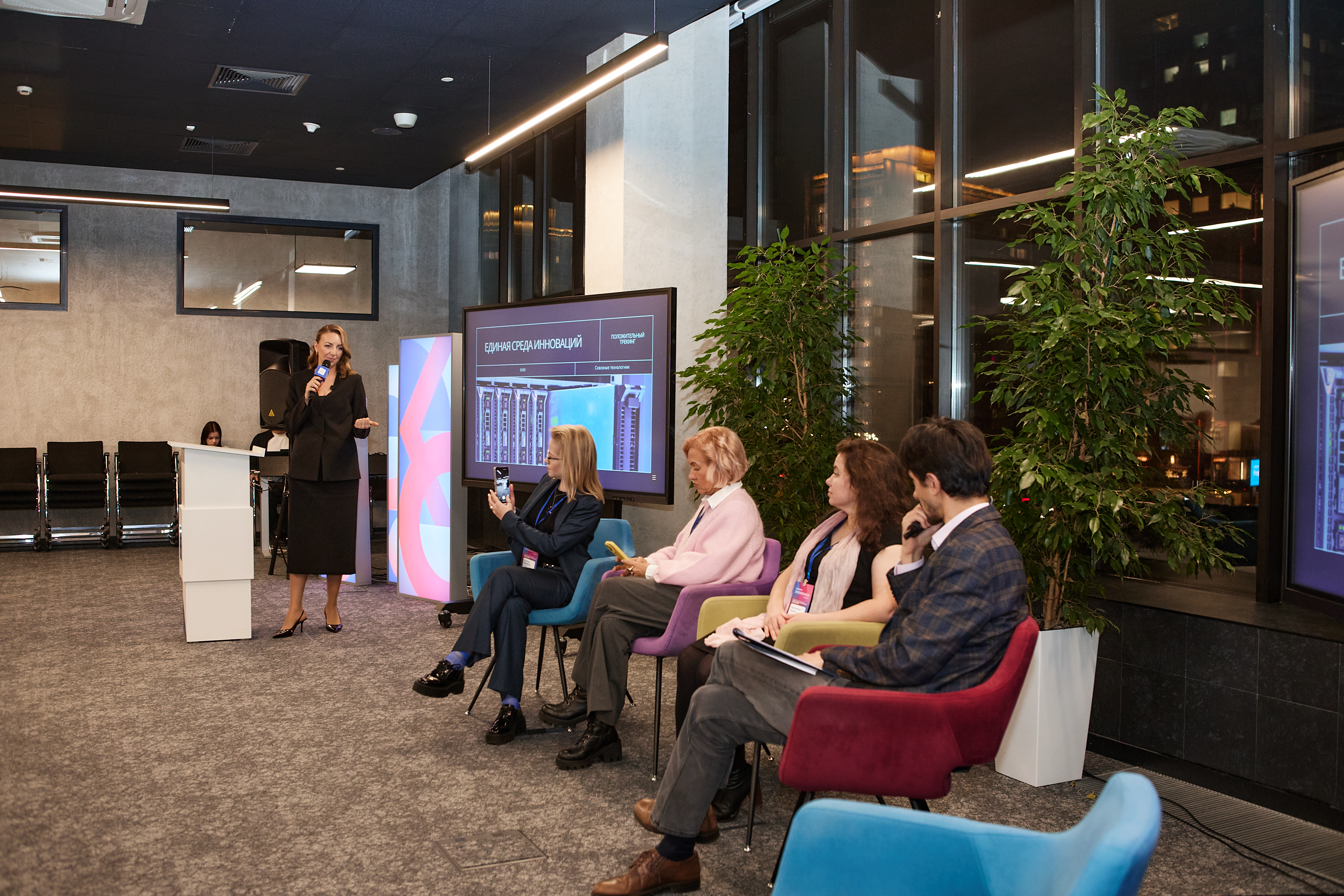
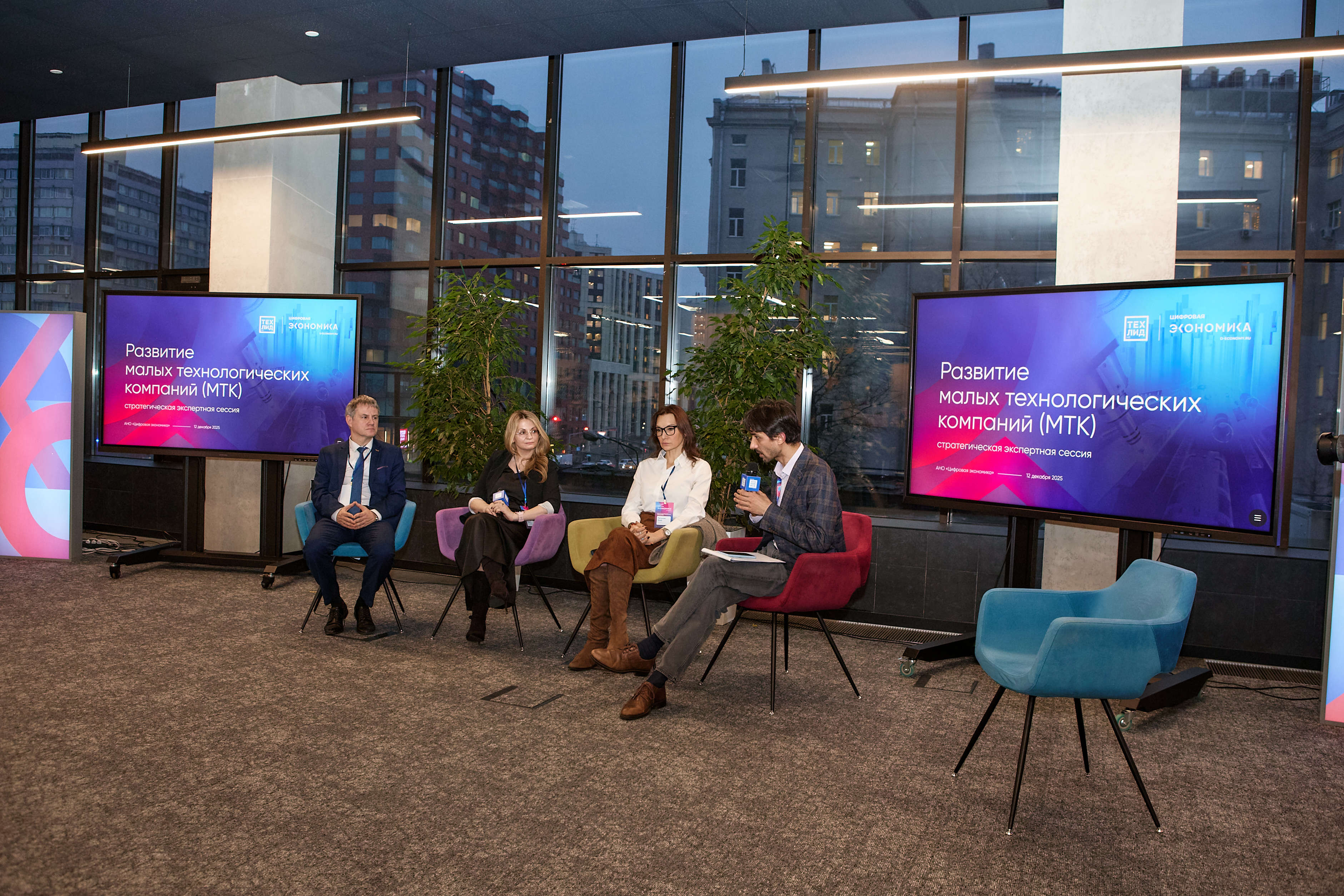
It was to these challenges that the strategic session "Development of small Technology companies" was devoted, which was held at the site of ANO "Digital Economy". The event brought together representatives of the ITC, major technology companies, industry associations, foundations and development institutions to develop specific proposals for the development of the sector as one of the pillars of the country's technological sovereignty.
MTK as a growth point and a systemic problem at the same time
The concept of a small technology company was established relatively recently by Federal Law No. 478—FZ "On the Development of Technology Companies" dated August 4, 2023, which created the basis for a "registry model" of state support for innovative companies, including revenue and core business requirements, as well as the opportunity to obtain status after examination in trusted centers and get into a special registry. According to the plan, it is MTK that should become a source of flexible, applied and in-demand solutions for industry, the social sphere and the digital economy as a whole.
However, practice shows that the potential of MTK is often blocked by systemic barriers, from market distrust and lack of standards to ineffective support mechanisms focused on formal reporting rather than results. As a result, innovations exist "on their own", do not integrate into industry contours, and rarely reach scale.
The participants of the strategic session agreed: The problem with the MTK is the lack of an architecture for interaction between the government, customers and developers.
SILA Union's expert position: from Startup support to development architecture
At the session, SILA Union demonstrated its own support for small companies as part of a single managed ecosystem. The company's experts emphasized that without process standards, transparent business architecture, and clear implementation roadmaps, even strong technology products cannot find a sustainable place in the economy.
«Small technology companies today need a clear growth architecture. When there are transparent processes, standards of interaction, and trust in results, innovation ceases to be an experiment and becomes part of the economy," said Elena Silkina, founder of SILA Union.
The SILA Union platform and methodology are already addressing key challenges faced by small businesses.:
– form a transparent process architecture — from idea and development to implementation and scaling;
– enable the integration of technological solutions into existing IT and management circuits;
– create the basis for industry standards and reference models, reducing risks for customers;
– they help us move from "pilots for the sake of pilots" to managed digital transformation programs.
In the MTK development model proposed by the participants of the session — with industry architects, reference architectures and replicated solutions — the SILA Union approach becomes a connecting element that allows combining innovations, the market and government priorities into a single system.
From grants to a trust—based development model
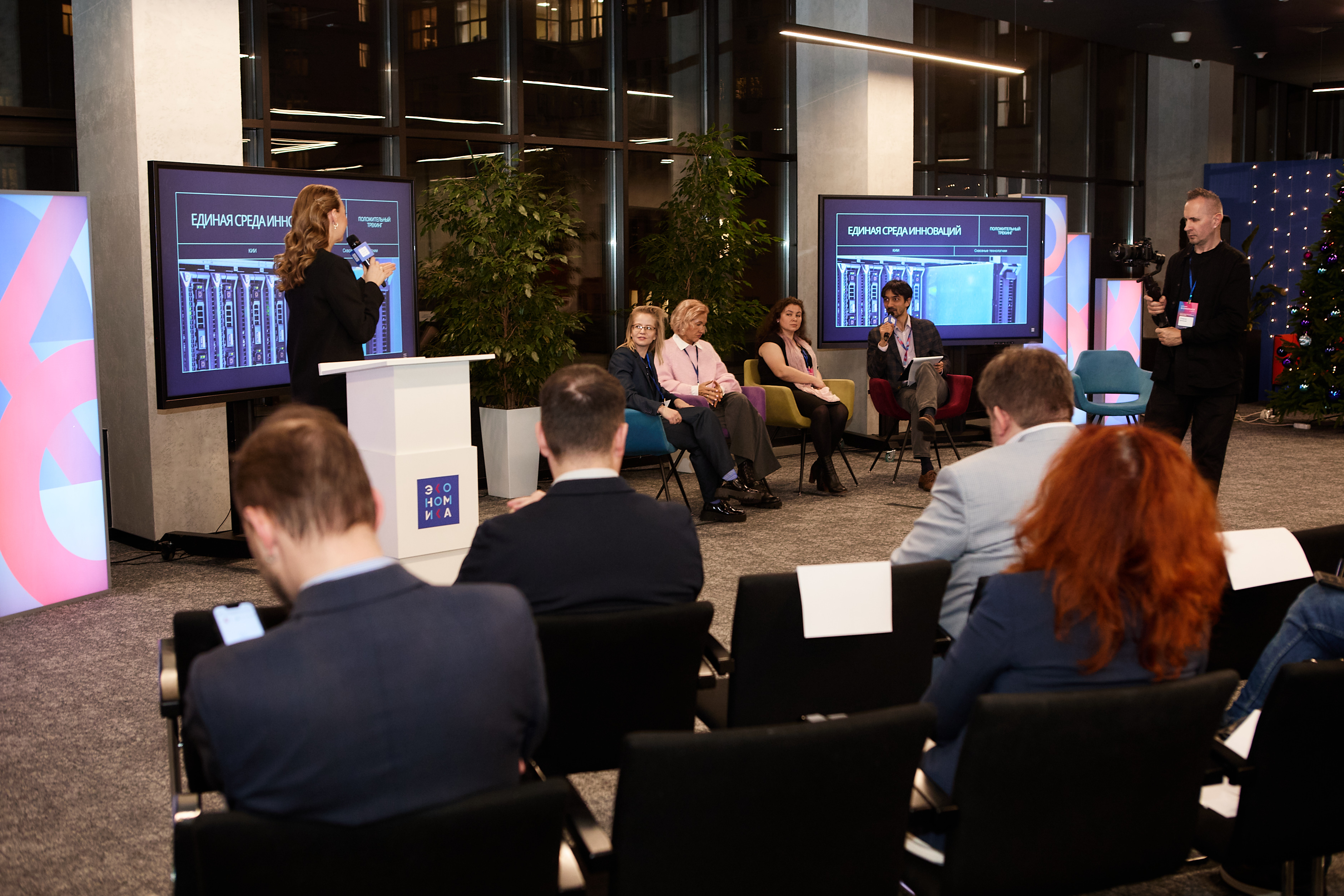
A separate focus of the discussion was on the paradigm shift in MTK support: from short—term grants and formal technical specifications to a "long runway", financing teams with proven products and real implementations.
This is where the process and architectural approach becomes critically important: it allows the government and the market to evaluate real results, and the MTK to focus on product development.
Bottom line: MTK as part of a systemic economy
The strategic session at ANO Digital Economy identified a key conclusion: the development of the MTK is impossible without changing the logic — from point support to system design of technological development of industries.
SILA Union acts here as a practical provider of methodologies and tools that enable:
– build trust between the market and innovation;
– scale successful solutions;
– to transform the potential of small enterprises into a measurable contribution to the national economy.
Following the results of the event, the participants' proposals will be processed into analytical material and submitted to the relevant working groups of the State Duma and the Ministry of Economic Development of Russia as a basis for further development of the small companies sector and strengthening technological sovereignty.