
The digitalization of industry is increasingly based on the complexity of technology coordination. Enterprises are developing MES, ERP, digital twins, AI models, and low-code platforms, but the expected effect is often blurred: systems do not "talk" to each other, data is duplicated, processes remain opaque, and IT projects lose touch with business goals. It is to solve these problems that many companies use SILA Union, a solution for building the process and architectural integrity of digital projects.
The gap between technological capabilities and manageable results has become one of the key topics of the II Russian Intersectoral Summit "PromIT: IT Innovations for Industry". The event brought together industry representatives, CIOs, developers, and industry experts to discuss how to build digital transformation today without fragmentation and patchwork solutions.
From individual IT projects to an integrated digital system
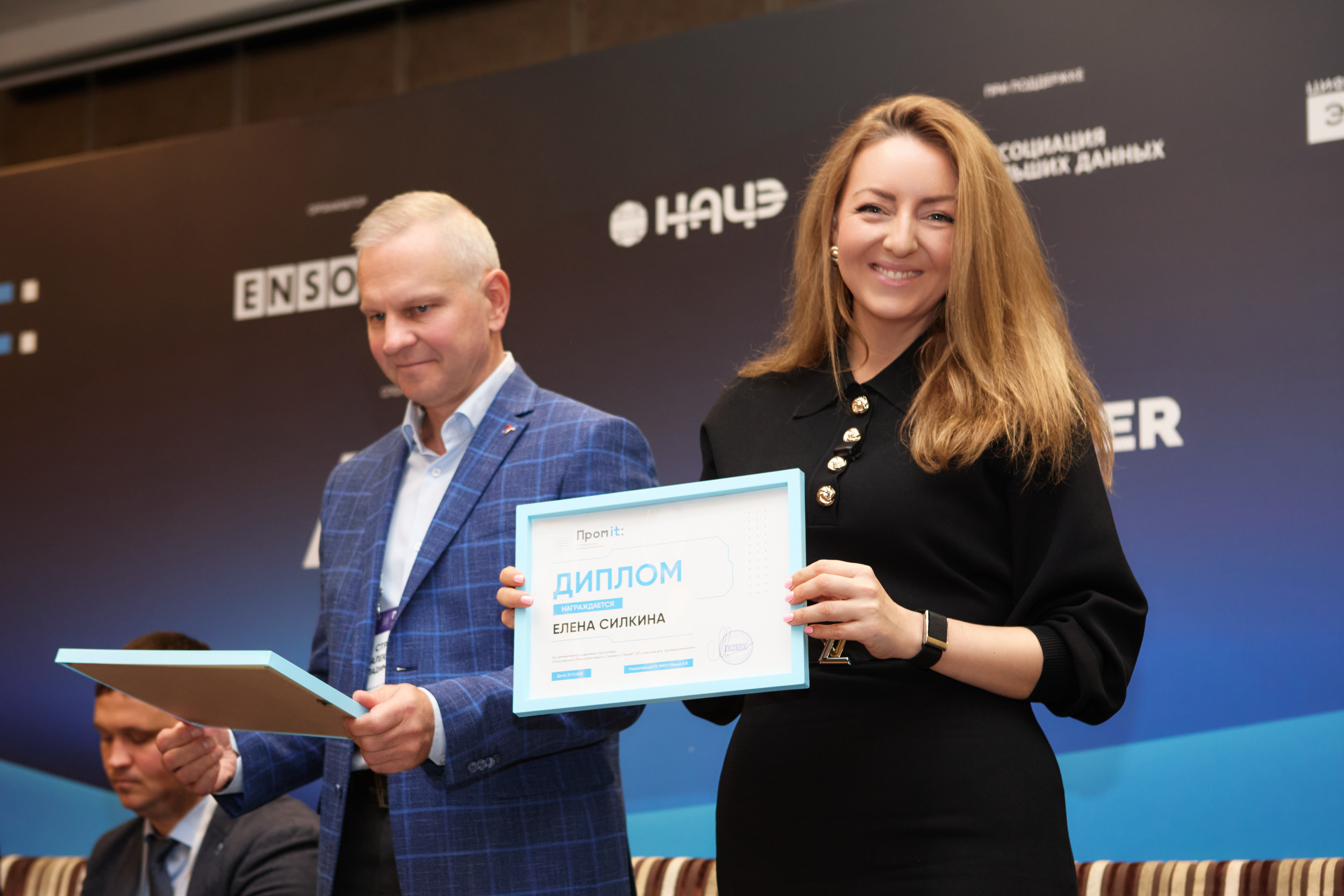
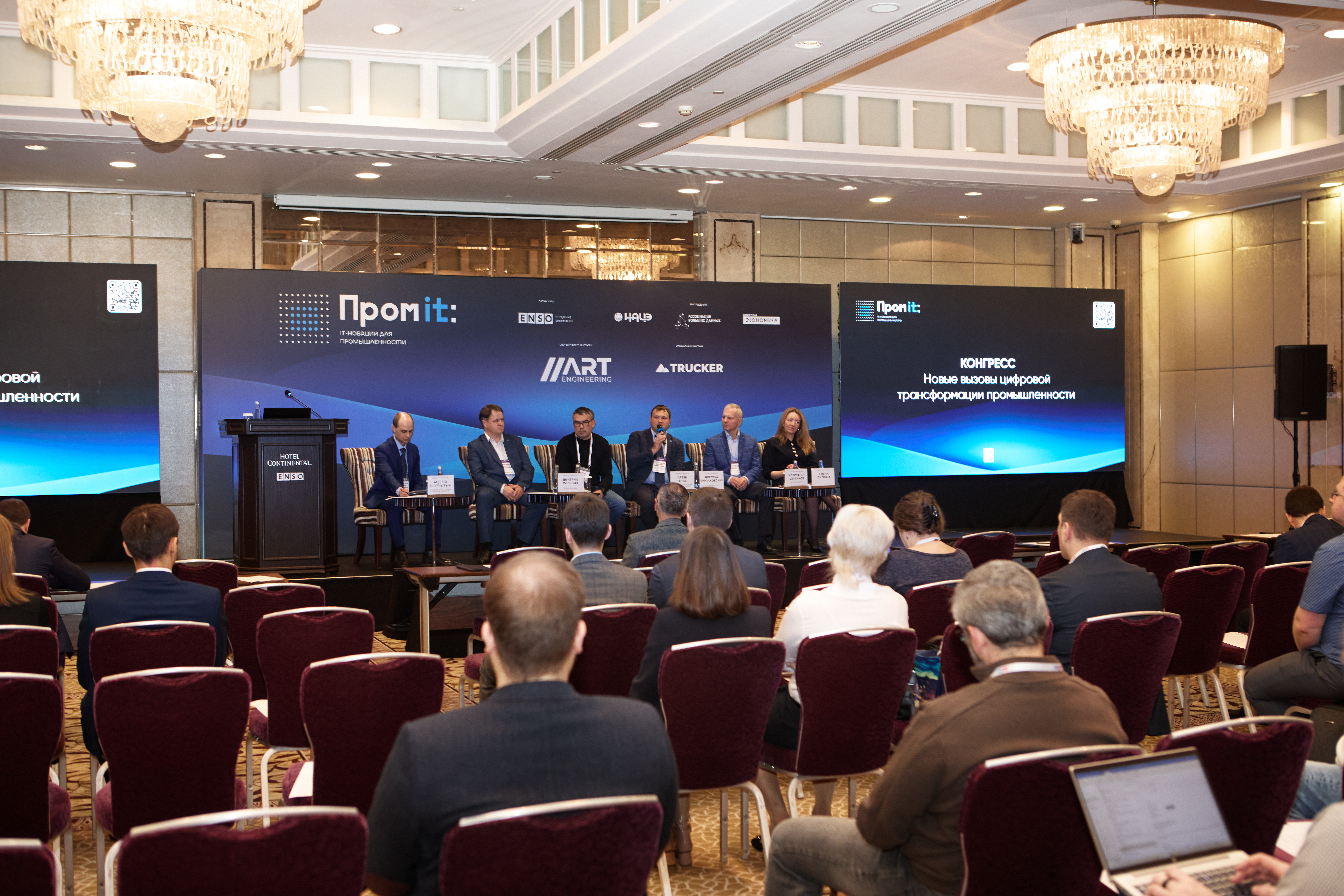
The Summit was opened by Anton Mitsik, Managing Director of ENSO Group. Within the framework of the Congress and industry sessions, real digitalization scenarios were discussed: from the introduction of digital twins and the integration of automated process control systems with MES and ERP to data management, procurement and production chains. Practice has shown that the more complex the digital landscape of an enterprise, the higher the requirements for process architecture and consistency of solutions.
The discussion was attended by industry leaders and experts.:
– Elena Silkina, founder of SILA Union, key expert on process management and digital transformation;
– Dmitry Moskvin, Head of IT Department, Shchelkovo Agrochem JSC;
– Artem Senik, Vice President of the National Association of Digital Economy;
– Dmitry Turchanovsky, Deputy General Director for IT, ZN Digital;
– Alexander Struchkov, Head of the IT Department of JSC PKO Heat Exchanger.
Particular attention was paid to the issue of manageability — how to maintain control over digital initiatives, avoid duplication of functions and ensure scalability of solutions. Experts agreed that without a process and architectural approach, digitalization is rapidly turning into a set of unrelated projects.
It was here that the topic of platform tools that allow you to link IT, production and management contours into a single model was organically voiced. The discussions highlighted approaches in which processes, data, and IT systems are considered as part of the overall enterprise architecture. This approach is used, among other things, in projects using SILA Union, a platform for modeling, analyzing and coordinating processes in complex industrial environments.
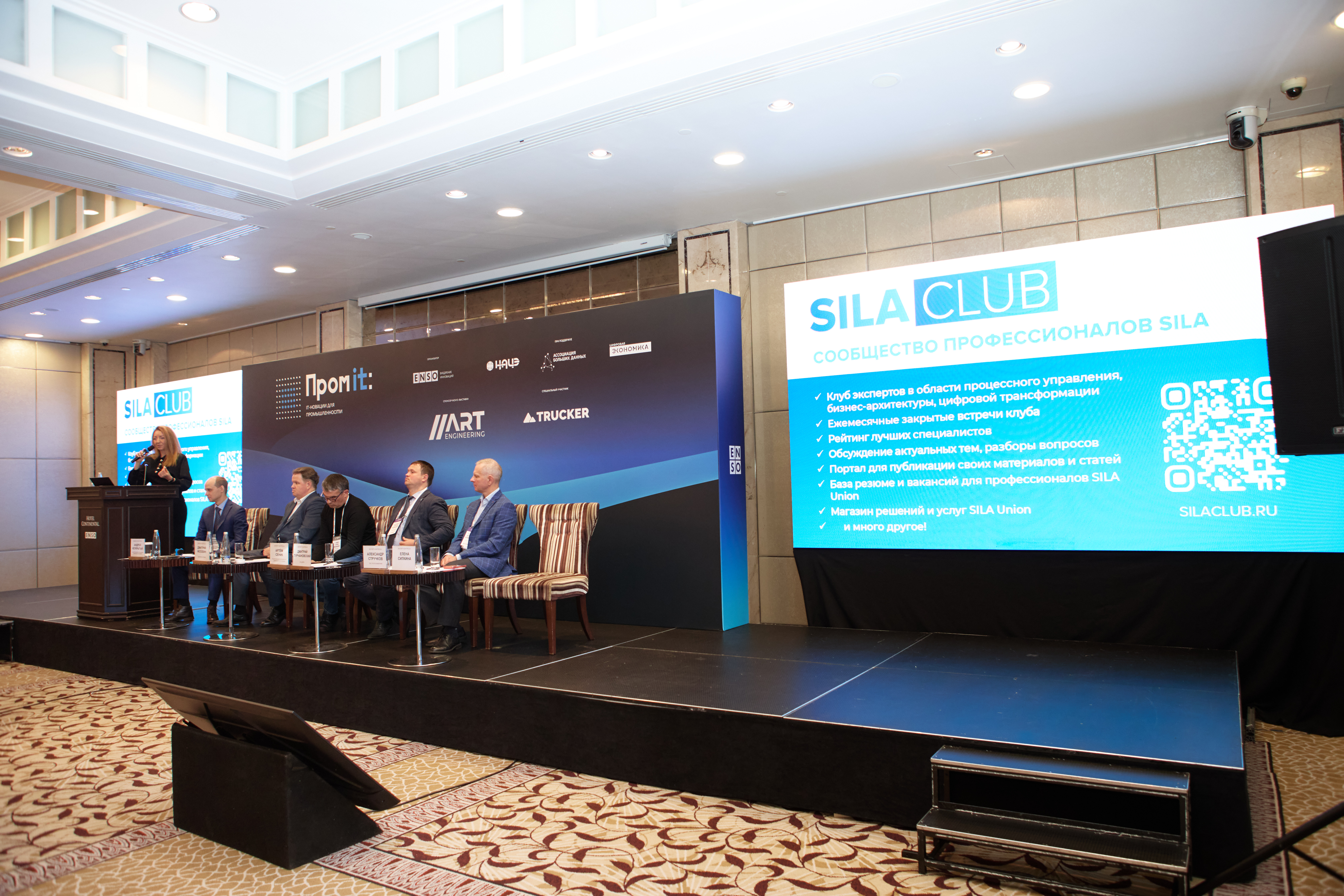
Practice instead of declarations
The PromIT Summit showed that the industry is becoming less interested in abstract concepts. The focus is on practical issues:
– how to link digital twins with real production processes;
– how to manage data at the enterprise level, rather than individual systems;
– how to reduce risks when integrating MES, ERP, LIMS and other platforms;
– how to build a culture of digital thinking within organizations.
In this context, process tools are becoming the foundation of digital transformation. They allow you to capture the logic of an enterprise's work, identify bottlenecks, coordinate changes between IT and business, and transfer digital initiatives from the experimental stage to sustainable operation. This approach is at the heart of the SILA Union solution, which is used to support major transformation programs in industry.
Intersectoral dialogue as a factor of maturity
The format of the Summit emphasized the importance of cross-industry exchange of experience. Cases from the chemical industry, mechanical engineering, fuel and energy complex, and the agricultural sector have shown that the challenges of digitalization are similar in many ways, regardless of the industry. This reinforces the demand for universal methodologies and tools that can adapt to different production models.
SILA Union's participation in the professional dialogue focused on these issues — how to build a transparent digital architecture, maintain consistency of IT solutions, and ensure manageability of changes throughout the lifecycle of digital initiatives.
Result
The PromIT Summit: IT Innovations for Industry confirmed that digital transformation is no longer limited to the introduction of individual technologies. It requires a systematic view of the processes, data, and IT landscape of an enterprise.
With the increasing complexity of industrial ecosystems, it is the architectural and process approach that becomes the fulcrum for sustainable change. And platforms such as SILA Union play a role of a connecting element, helping industrial companies move from disparate digital solutions to a managed and predictable digital environment.