
Are you sure that your business processes are working exactly as prescribed in the regulations? Statistics show that up to 80% of the process execution time is spent on unplanned deviations. Process Mining is a technology that allows you to see this difference and eliminate it, ensuring the transition from managing "how it should be" to managing "how it really is."
However, the effectiveness of Process Mining critically depends on the context. The analysis of objective data — logs of events from information systems — should be conducted not in a vacuum, but within the framework of an integrated enterprise model. This is where the need for a platform for creating a digital twin of a company comes to the fore – a model that reflects all the business entities and their interrelationships, such as SILA Union.
SILA Union is a software for integrated design and analysis of the entire corporate architecture: from business process modeling, IT architecture, QMS, strategic planning to risk and change management. Its key value is the creation of a single source of knowledge about the company. The integration of Process Mining into the SILA Union ecosystem creates a powerful synergetic effect: mining technology answers the question "What is happening?" by identifying real process paths through digital footprint analysis, and the SILA Union platform provides answers to the questions "Why is this happening?" and "How to fix it?" by providing context, regulations, and responsibilities and architectural relationships.
The relevance of combining SILA Union and Process Mining is to create a closed process management cycle.: 1) Modeling of processes "as is" in SILA Union, 2) Their implementation into operational activities, 3) Audit of actual execution through Process Mining, 4) Analysis of deviations and their causes in the context of the full architecture, and 5) Targeted improvement of models and regulations directly in SILA Union. This turns process management into a continuous and manageable improvement cycle.
In this article, we will consider in detail:
1. What is Process Mining technology and how it works.
2. A practical example of solving a problem using Process Mining with direct integration with the SILA Union platform, demonstrating how the insights found in the data turn into architectural changes and optimized processes.
Stages of implementation of Process Mining technology
Process Mining is a set of instrumental solutions and methodological recommendations aimed at researching and improving the company's activities by studying objective data on business processes - event logs extracted from information systems. Thus, Process Mining becomes one of the key elements in the activities of modern companies, allowing not only to monitor changes, but also to actively use data to build more efficient business processes.
1. Process data collection
At the first stage of the Process Mining initiative, it is necessary to collect data that reflects the actual execution of business processes. The sources can be corporate systems (ERP, CRM, BPM), event logs, or databases. It is important that the data contains timestamps, process and participant identifiers, as well as information about the sequence of actions. For example, in a CRM system, you can extract records of customer interactions, and in an ERP system, you can extract data on purchases and production operations. The more complete and accurate the initial data, the more reliable the analysis results will be.
However, data collection can run into problems: incomplete records, disparate sources, or lack of structured logs. Therefore, it is important to determine in advance the key events and parameters that will be analyzed. Sometimes multiple systems need to be integrated to get a complete picture of the process. At this stage, the quality of the data is also assessed, as errors in the input can lead to incorrect conclusions in subsequent stages.
2. Preparing data for processing by Process Mining
After collecting the initial data, it must be cleaned and converted to a format suitable for Process Mining. This includes removing duplicates, filling in gaps, correcting errors, and bringing data to a single standard. For example, if the logs contain different date formats or names of the same actions, they need to be unified. Also at this stage, the data is filtered — irrelevant events or those that do not relate to the process under investigation are deleted.
Data preparation is one of the most time—consuming stages, as the quality of subsequent analysis depends on it. For example, some Process Mining tools require data in a specific format in the form of a table with columns "Case ID", "Activity", "Timestamp". Sometimes data needs to be aggregated or enriched with additional attributes (for example, information about employees or costs). The more thorough the preparation, the more accurately patterns and anomalies in the processes will be detected.
3. Process analysis by the Process Mining functional unit
At the analysis stage, the data is visualized in the form of process diagrams, flow maps, or petri nets, which allows you to see the real paths of operations. Process Mining identifies deviations from the regulatory process, such as unaccounted-for cycles, unnecessary steps, or "bottlenecks" where delays occur. The actual execution is also compared with the ideal process in order to find points for improvement.
The analysis can include different methods: discovery (detection of a process from data), conformity checking (verification of model compliance) and performance mining (analysis of time metrics). For example, you can determine which steps take the most time or which process options lead to errors. The results of the analysis help to understand why processes work inefficiently, and provide a basis for making optimization decisions.
4. Process improvement
Optimization recommendations are developed based on Process Mining data. This may include automating routine operations (for example, using RPA), reallocating resources, or changing the sequence of steps. For example, if the analysis showed that the approval of documents is delayed due to excessive checks, you can simplify the route or delegate authority. Another option is to train employees if the problems are related to the human factor.
It is important that the changes are based on data, not intuition. Process Mining allows you to simulate the effect of improvements before they are implemented ("what happens if we exclude this step?"). However, optimization must take into account not only efficiency, but also risks — for example, too radical changes can disrupt the process. Therefore, changes are often implemented gradually, with monitoring of the results.
5. Monitoring and control
After the improvements are implemented, it is necessary to monitor how the changes have affected the process. The same Process Mining tools are used for this: new data is collected, metrics (execution time, error rate, resource utilization) are analyzed and compared with previous indicators. For example, if the application processing time has been reduced by 20% after the automation stage, this is a success, but if new bottlenecks have appeared, further configuration is required.
Monitoring should be continuous in order to quickly identify deviations and adapt processes to changing conditions. For example, as the workload increases, it may be necessary to scale resources, and when legislation changes, it may be necessary to adjust the steps of the process. Process Mining here acts as a tool for continuous improvement, ensuring transparency and manageability of business processes.
Practical solution of the problem in the Process Mining system
Stage 1-2. Data collection and preparation
The implementation of the Process Mining tool provides organizations with opportunities for an objective analysis of operational activities. However, the practical value and reliability of the results obtained depend entirely on the correctness and completeness of the primary data. It is at the stages of data collection and preparation that the foundation is formed on which all subsequent conclusions and management decisions aimed at optimizing the company's processes are based.
In modern practice, there are several approaches to collecting and preparing data for Process Mining. Among them are:
1. Data collection and preparation based on business processes built into the system.
2. Direct integration with IT systems, providing continuous and automated flow of events in real time from external systems (ERP, CRM, BPMS, etc.).
In this article, we will consider the most commonly used approach — integration with external systems. As part of this approach, the SILA Union system focuses on working with data that comes from ERP, CRM, BPMS, and other systems that record the execution of business processes in the form of detailed event logs. The architecture and integration capabilities of SILA Union with key information systems are described in the article.
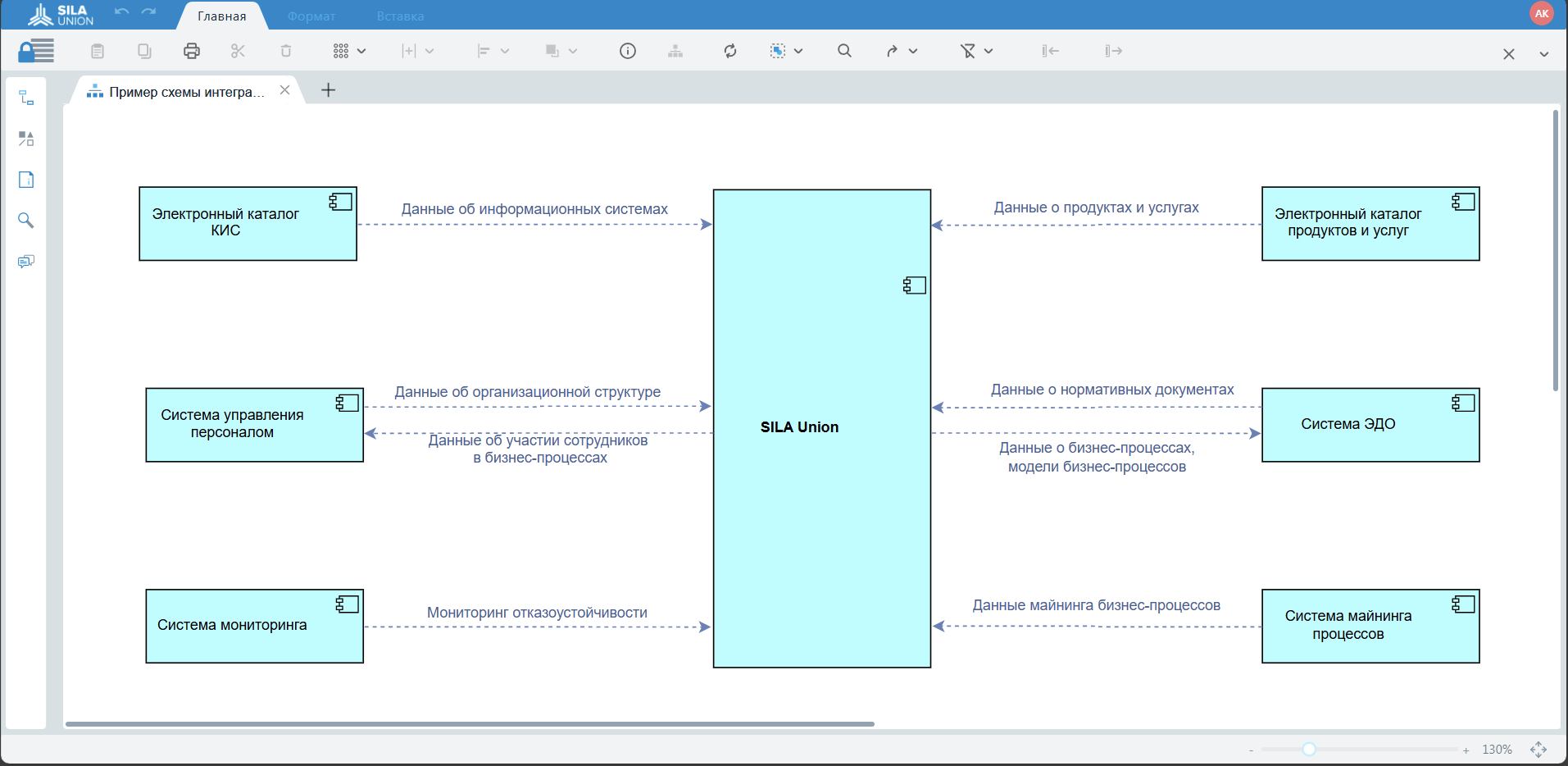
Figure 1. SILA Union integration scheme with information systems
External ERP, CRM, BPMS, etc. class systems that record the execution of processes in the form of a detailed protocol containing information about all user actions in chronological order, called an event log. Integration with external systems allows you to obtain this data for further visualization and analysis of the process. The minimum composition of the fields to be fixed:
- ID of the process instance (Process ID);
- name of the event (Event);
- the timestamp of the start of the event.
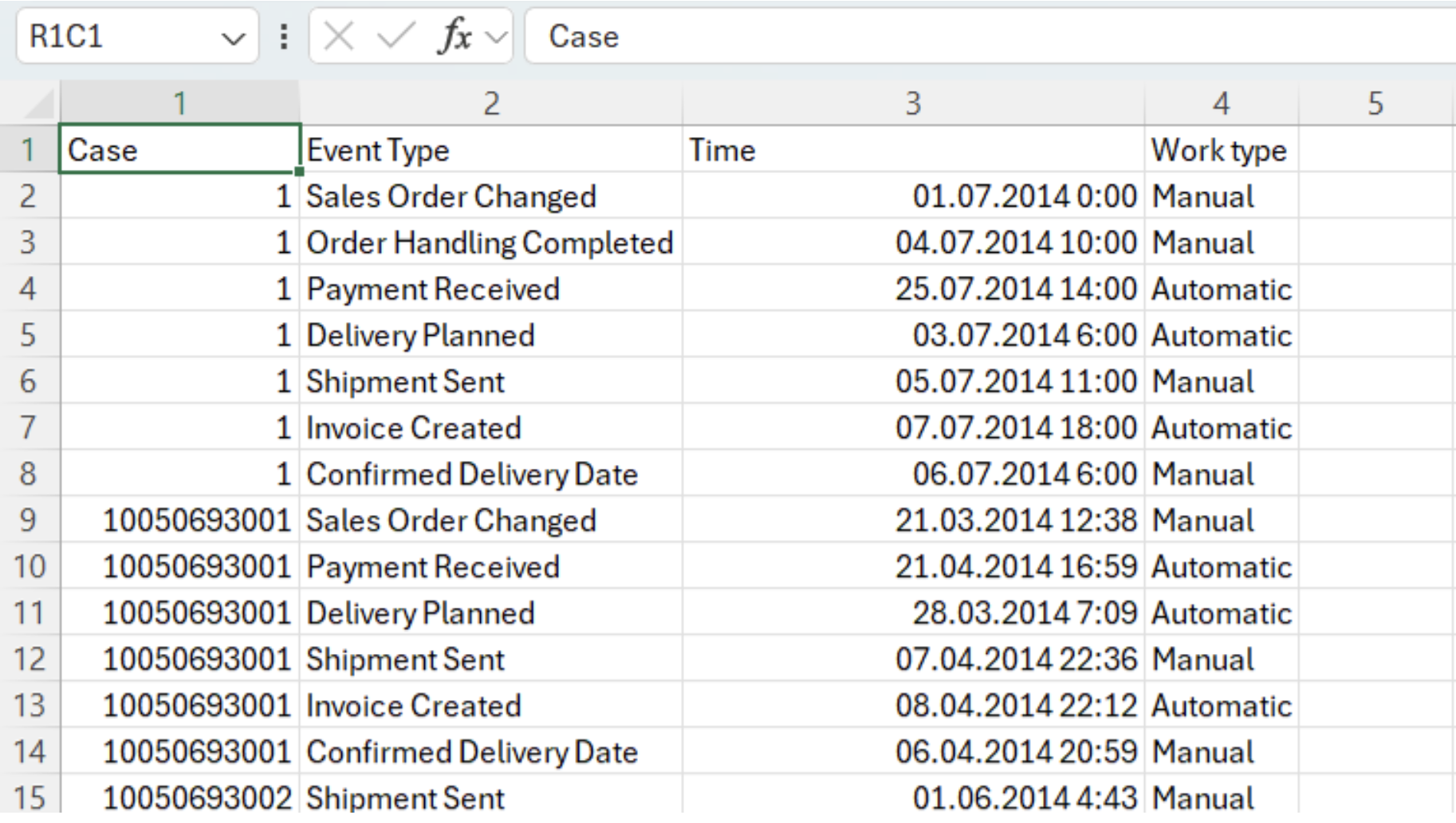
Figure 2. Logbook, presented in tabular form
The prepared table is loaded into the system and the Process Mining script is run, which, based on the provided data, outputs all the process flow options that were previously recorded in the log log.
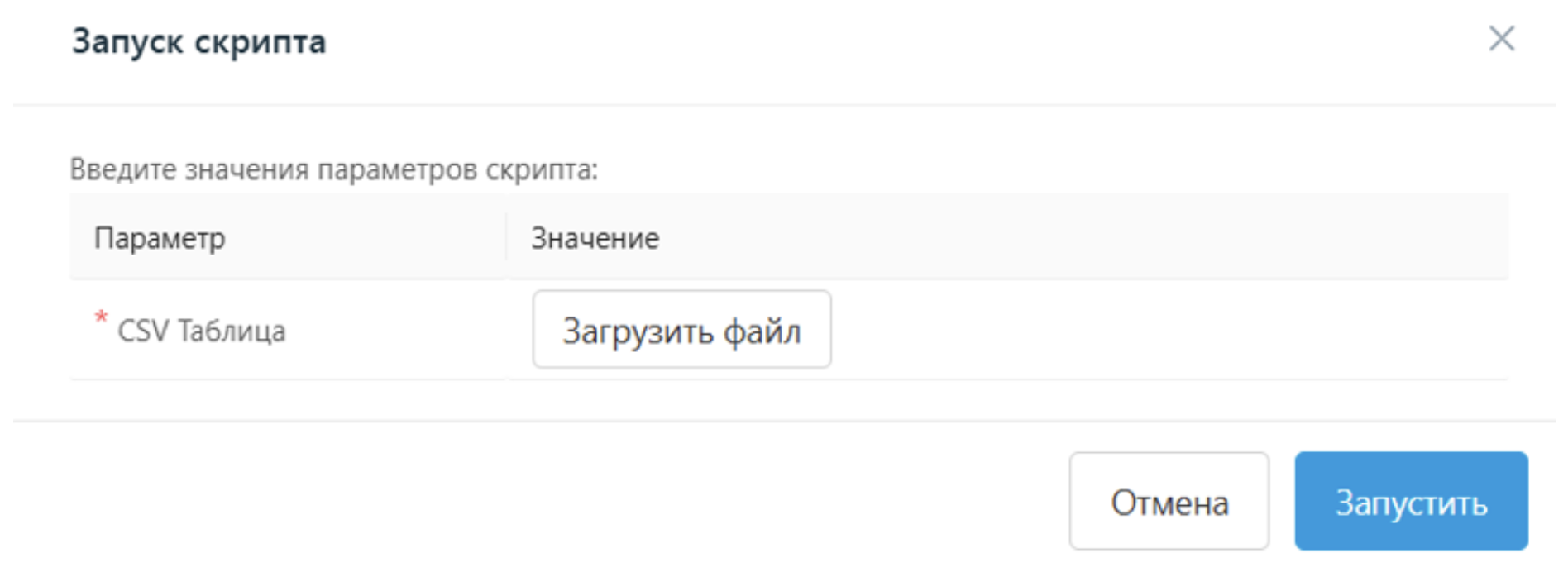
Figure 3. CSV table loading window
Stage 3. Process analysis
After downloading and processing the event log, the Process Mining functionality automatically reconstructs and visualizes the actual business process execution model. This stage moves the project from the plane of data collection to the plane of deep interpretation and practical benefits.
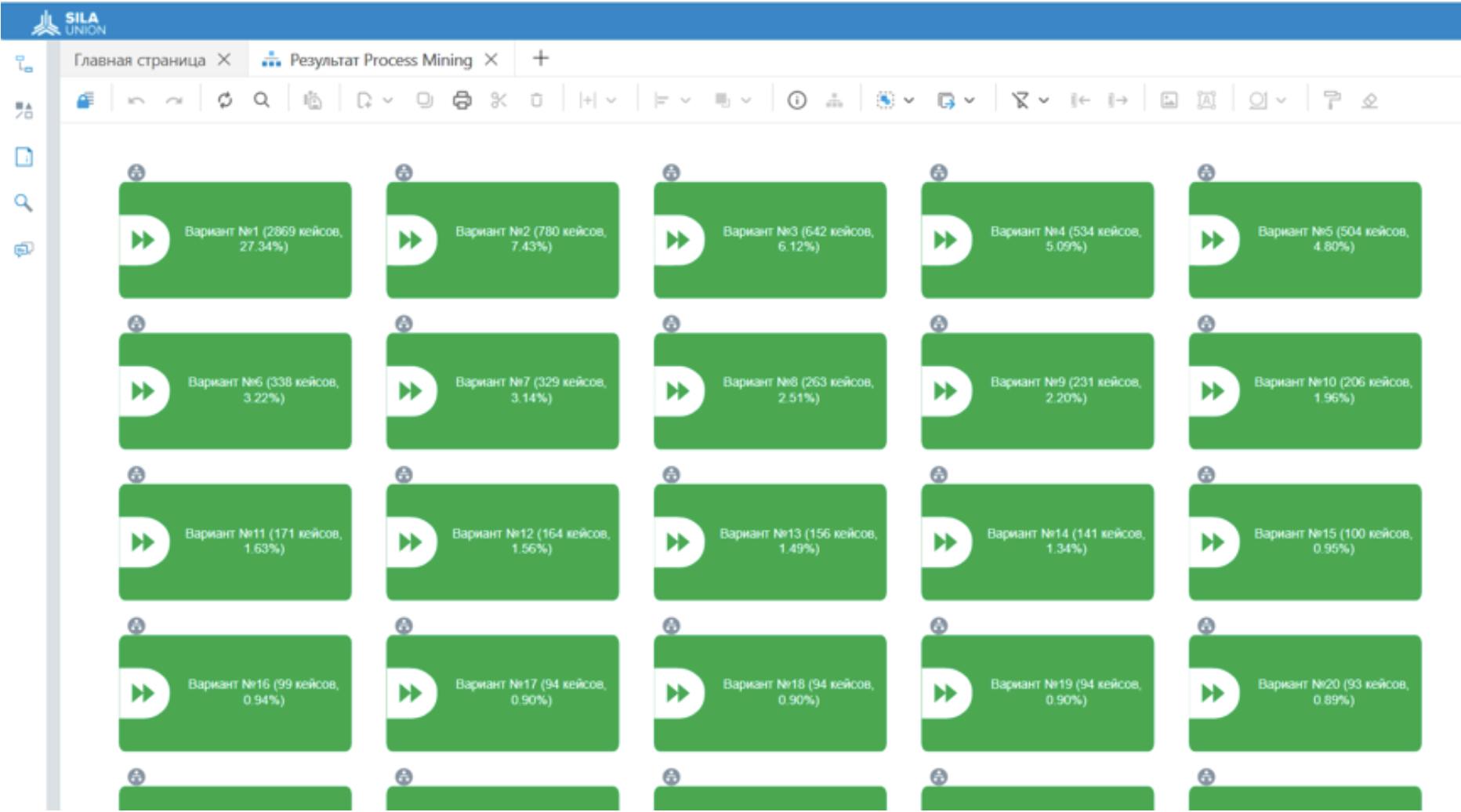
Figure 4. Process Mining result based on log results
The data obtained, reflecting the actual flow of the business process, provides access for detailed analysis. Based on the results of Process Mining, it becomes possible to identify bottlenecks in the process, calculate losses (temporary, financial, etc.). The team focuses on eliminating specific, data-confirmed problems, rather than on intuitive guesses. The measures can be different: automation of a routine operation, reallocation of the load, change of regulations or refinement of systems.
Visualization of the received data is also possible through the creation of dashboards in the SILA Union system in the form of pie and bar charts, line graphs, etc.
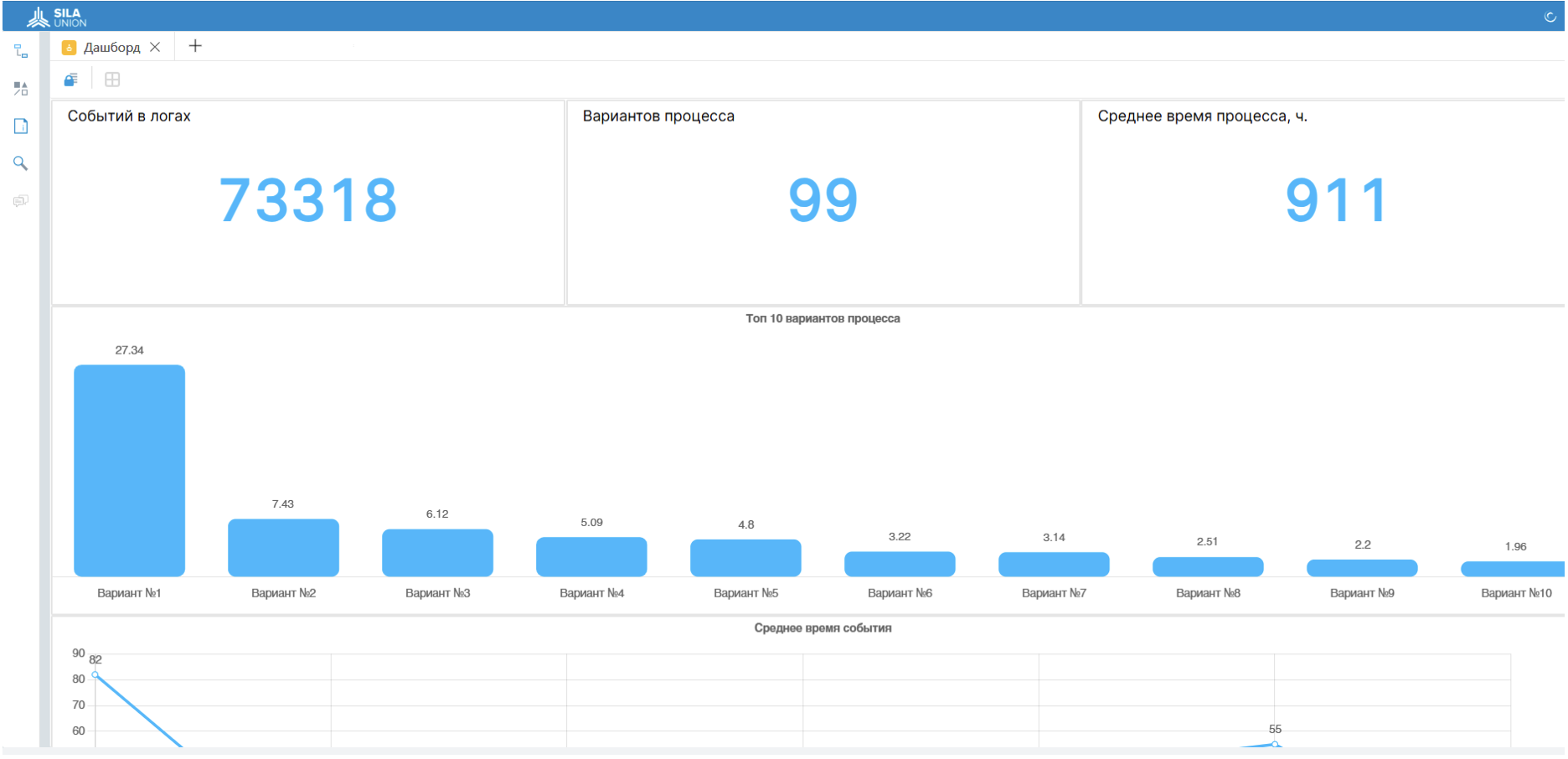
Figure 5. An example of a dashboard based on the results of Process Mining
Based on the data analysis performed, it becomes possible to track the actions of employees in the workplace and analyze the effectiveness of their work. The data provides an objective basis for making personnel decisions, redistributing tasks, and identifying the need for training or mentoring. This approach replaces the monitoring of employee actions, allowing for targeted and reasonable improvements in team performance.
Stage 4. Process improvement using simulation
In the case when objective data demonstrating deviations from the desired parameters have been obtained for the executed processes by means of Process Mining, the simulation functionality is a good tool for further optimization. More information about this functionality in the SILA Union system can be found here.
Based on the built-in business process model, after configuring the attributes for the model objects, it is possible to run simulation modeling for this business process in order to track how the proposed optimization options will affect the course of the actual process.
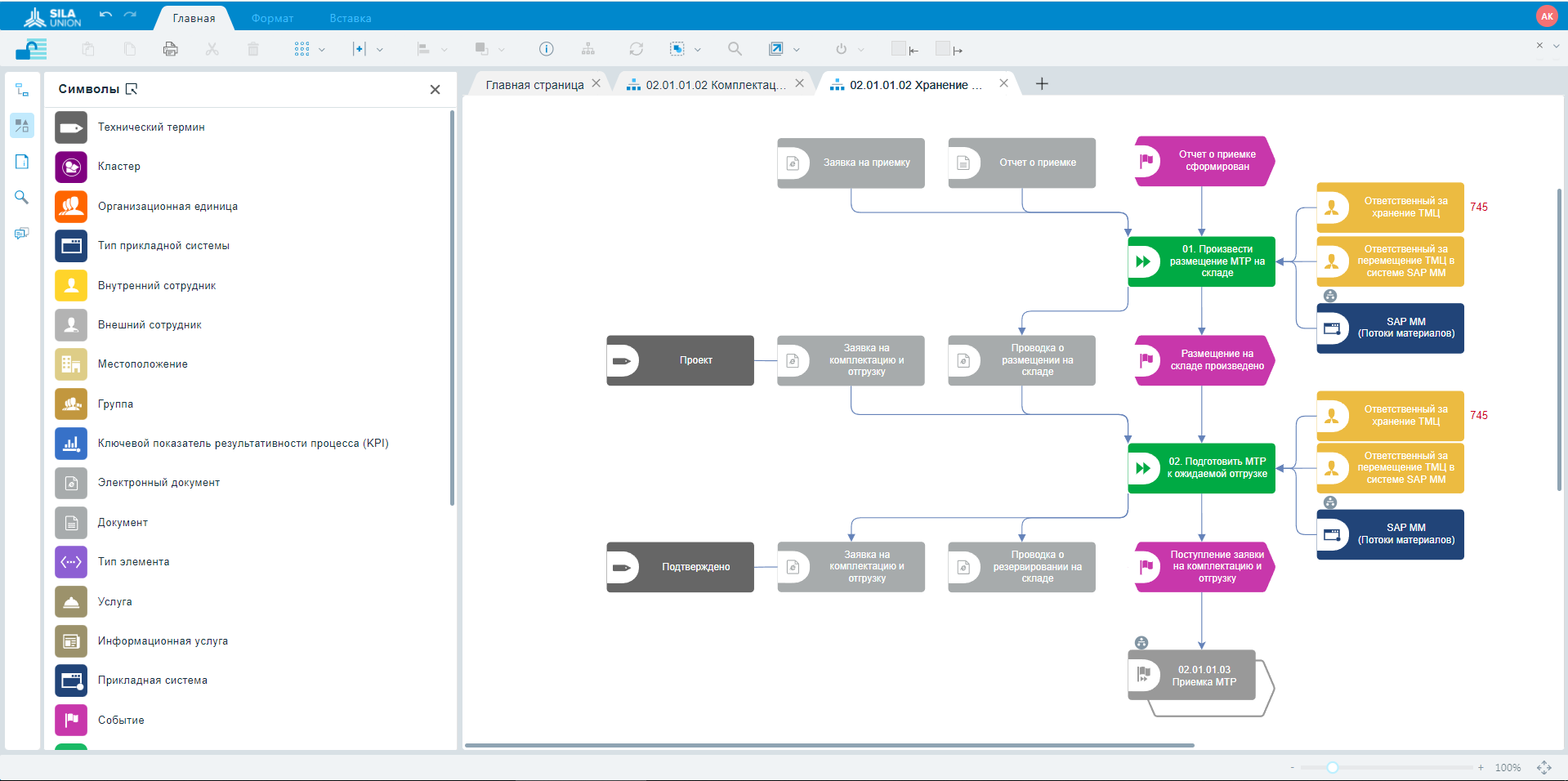
Figure 6. Structured business process in EPC notation
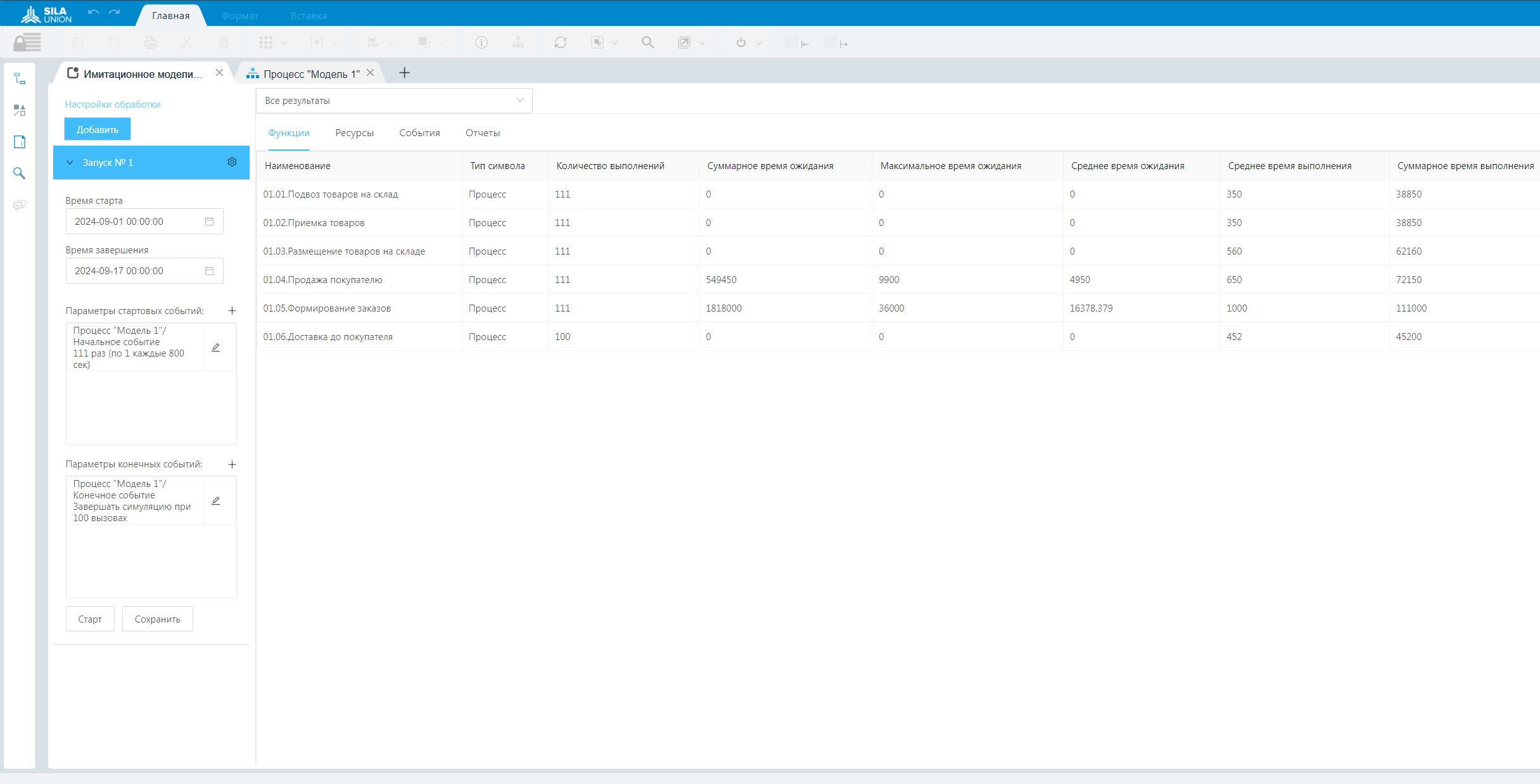
Figure 7. Example of a process simulation report
Simulation modeling in SILA Union allows us to obtain information about the results of a business process, expressed in the processing of statistical information by virtually repeating the process n-number of times, in order to find "narrow" or suboptimal parts of the process. With the help of simulation modeling, it is possible to test various scenarios of process changes, assess their impact on a key indicator, and then choose the optimal solution based on the data obtained.
Stage 5. Monitoring and control
Continuous improvement of business processes, preparation of measures for continuous improvement and adaptation of business processes to changing conditions requires continuous monitoring of the "health of the process". This is where SILA Union reveals its core value as a centralized enterprise architecture management platform. The system allows for comprehensive process control, including monitoring the sustainable functioning of elements of the applied and technological landscape that ensure process automation. More information about these solutions can be found here.
Conclusion
The implementation of Process Mining in the context of the SILA Union platform is a transition from intuitive management to management based on accurate data. A closed cycle of continuous improvement of the corporate architecture is being created, where each decision is supported by objective facts. For customers seeking digital maturity, the key value of Process Mining lies in its ability to verify hypotheses and measure the effectiveness of planned implementations with absolute accuracy. This approach provides:
1. An objective picture of the processes. Instead of relying on the ideal schematics from the instructions ("how it should be"), companies see the real picture ("how it really is") with all the deviations, simplifications, and delays.
2. Spot search for the causes of problems. The technology not only shows where exactly the delay occurs, but also helps to understand why it happens. For example, due to an employee's workload, difficult tasks, or seasonal demand.
3. Quantification of optimization efficiency. Any changes in processes or the introduction of new systems can be assessed not in words, but in numbers: whether it has become faster, cheaper, more accurate.
Process Mining is a tool that turns disparate data from various information systems of a company into a clear and visual picture of real business processes. Its key benefit is that it provides an objective basis for decision-making, replacing intuitive actions and subjective opinions with accurate facts. Integration with the SILA Union platform creates a measurable and manageable cycle: Designed in SILA Union → Implemented → Checked and measured via Process Mining → We analyzed and adjusted the architecture in SILA Union. This creates the foundation for true digital maturity, where strategy, processes, IT, risks, and change are managed as a whole based on objective data.
Автор статьи - Суринова Мария, бизнес-аналитик SILA Union