

Gazprom's corporate architecture modeling system at SILA Union
The project to create the Corporate Architecture Modeling System (CAMS) for PJSC Gazprom included a wide range of tasks, from deploying SILA Union in the Customer's complex infrastructure and migrating data from the legacy system to configuring the methodology and user access rights according to the Access Matrix.
The flexible configuration of the target methodology and extensive script development allowed us to replicate and expand the existing functionality of the system we were replacing.
Customer
PAO Gazprom is a global energy company. Its core activities include geological exploration, production, transportation, storage, processing, and marketing of gas, gas condensate, and oil, as well as the sale of gas as a motor fuel, and the generation and distribution of heat and electricity.
Gazprom Inform LLC is a specialized IT service company that manages the Gazprom Group's IT support and is state-accredited in the field of information technology.
Project goals and objectives
Project Objectives:
- To create a modern corporate system for modeling business and IT architecture, taking into account:
- To improve the accessibility and usability of the modeling process for business users;
- To improve the reliability of modeling automation through the use of domestic, import-independent software.
Project Tasks:
- To create a modern modeling system using software included in the Unified Register of Russian Computer Programs and Databases, including developing design solutions, configuring basic application software, updating RDs and EDs, user training, and testing in accordance with the requirements of this document;
- To migrate the full volume of data from the previously used Automated Management System for the Business Process Repository (APRS) of PJSC Gazprom (ARIS software).
Prerequisites for the emergence of the project
The key drivers for the implementation of the SMKA were:
1. The Digital Transformation Strategy of PJSC Gazprom (Gazprom Group), approved by a resolution of the Board of Directors of PJSC Gazprom;
2. Order No. 486 of the Ministry of Digital Development, Communications, and Mass Media dated September 20, 2018;
3. The company's growing need for a modern product for building a corporate business and IT architecture with extensive capabilities and prompt manufacturer support.
Project implementation
Project timeline: May 2023–December 2024.
The SMKA project included the following phases:
Phase 1. Project preparation;
Phase 2. Detailed design development;
Phase 3. System implementation;
Phase 4. IS preparation for trial operation;
Phase 5. IMS trial operation;
Phase 6. Commissioning.
Three key areas can be identified in the project implementation. The first area is methodological, and it concerns expanding the functionality and adapting the methodology embedded in the standard product to PJSC Gazprom's requirements. In addition to the preserved Repository domain structure, the replicated approach to building cross-domain models, the Standard Model Library, and previously used notations and model types (VAD, PSD, EPC, matrices, org charts), business and IT architects now have the following capabilities:
- full use of the Archimate modeling language, BPMN models, and others;
- extensive Repository administration capabilities;
- expanded range of user reports based on Repository information.
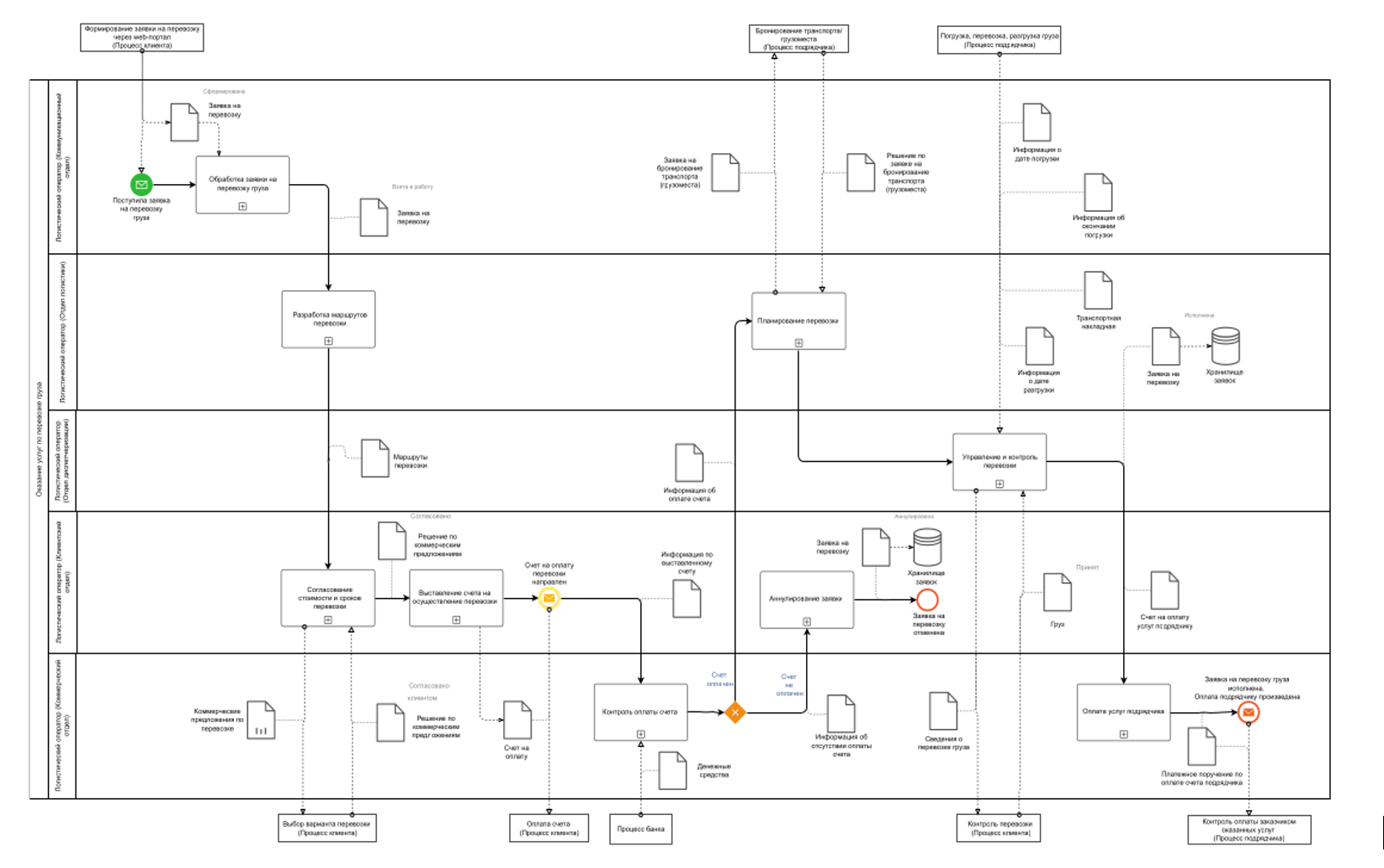
Fig. 1. Example of a BPMN model
The second area, technological, involved the implementation, refinement, and configuration of the system for its integration into PJSC Gazprom's systems and technical infrastructure, including compliance with strict requirements for information security and system access management. Integration interactions with corporate systems critical for the operation and updating of the Repository were also configured.
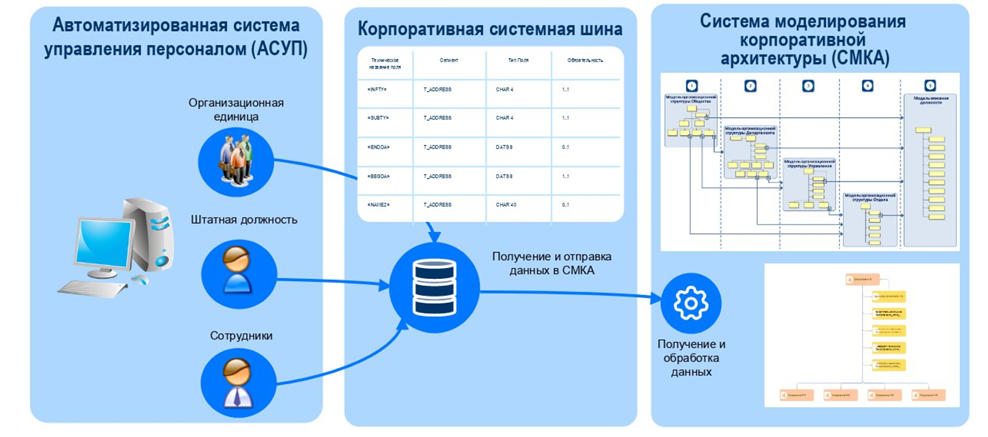
Fig. 2. Integration with Adjacent Systems
The third area was data migration from the target system, taking into account all the features of the Repository. Using built-in functionality, a significant amount of existing enterprise architecture data was migrated—approximately 30,000 models in the main database alone.
To maintain the level of user automation, approximately 30 scripts used in the target system were replicated—most of them were modified to meet current requirements, and new scripts were developed to address specific project needs.
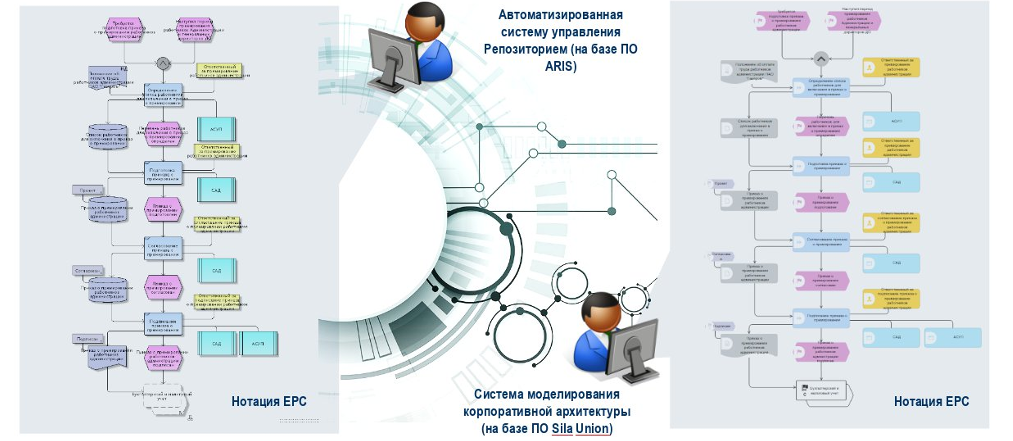
Fig. 3. Example of migrating a model in EPC notation from ARIS software to SILA Union software
The functionality of the SILA Union software involved
This project utilized the extensive functionality of SILA Union software, including data import/export; a built-in script automation engine; access rights management to system data; a role-based access model; action logging; analysis tools; automation of regulatory documentation generation, etc.
Staff engagement and training
The project included two training cycles—one for key users and one for end users. This work included creating and coordinating the training program, developing training materials, and conducting the training itself in two cycles, split over several working days for several hours each.
Work calls
The main obstacles to project implementation included the following:
- the complex customer landscape and the specifics of local deployment, configuration, and testing in a secure environment without remote access (immune injection);
- significant volume of migrated data – due to the large volumes of migrated data, difficulties arose in transporting, importing, and mapping export files;
- reproducing over 300 reference semantic checks on the target platform, taking into account the validation of data migration and business logic.
Project results
The project resulted in:
- a modeling system created using software included in the Unified Register of Russian Computer Programs and Databases, including solution design, application software configuration, STI, and POIB;
- data and some functionality from the system being replaced were migrated;
- integration with adjacent systems was configured;
- the solution was documented through the development of design and operational documentation;
- pilot testing and end-user training were conducted.
Work is ongoing to collect and implement the need for modifications to the SMCA for corporate and local modeling purposes. This development concerns the methodology used for describing the IT architecture, as well as expanding the list of tasks solved through integration.
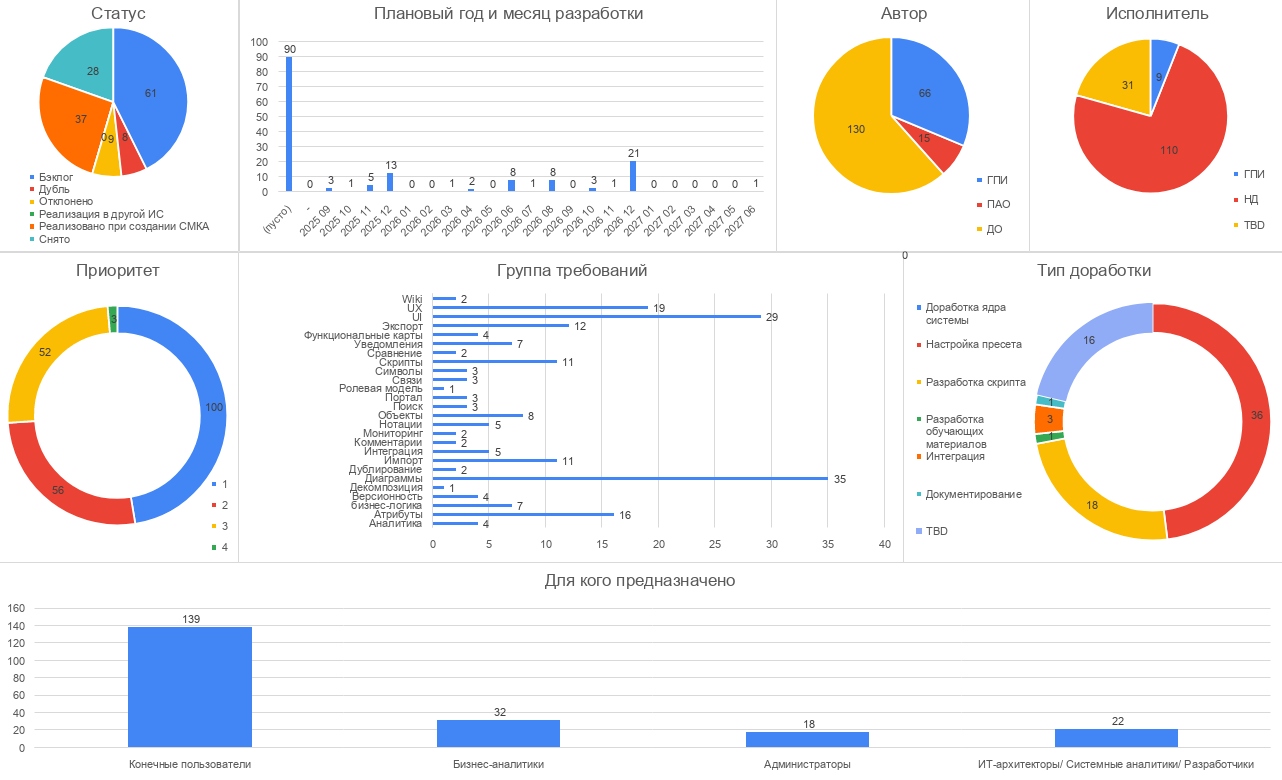
Fig. 4. Development of the SMCA. Analytics within the development backlog