
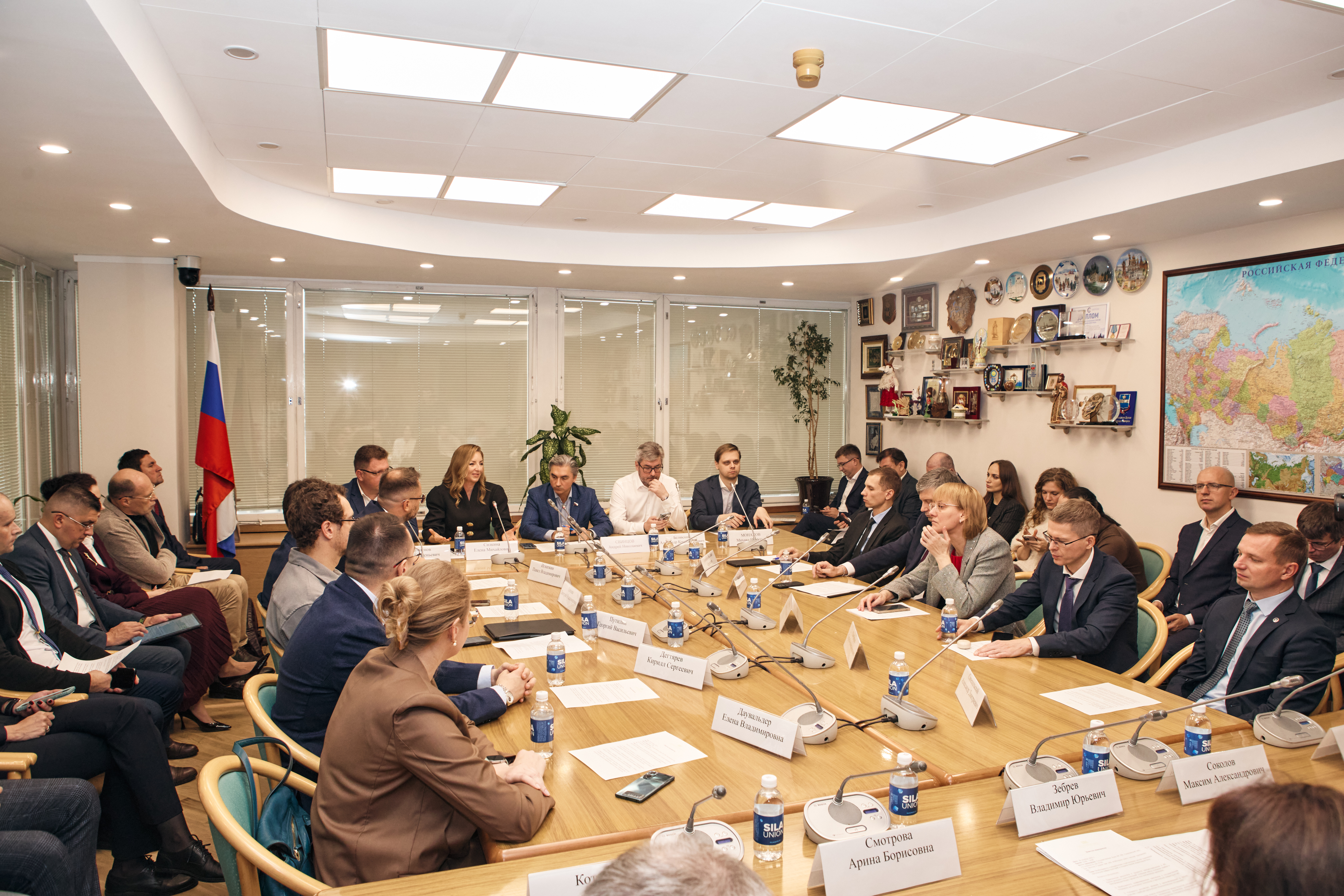
A round table was held in the State Duma of the Russian Federation on one of the most important and relevant topics of today: "The need to standardize existing critical infrastructure management systems and create a unified regulatory framework." The event brought together leading experts, representatives of business, government and IT companies. SILA Union, as a leader in the field of BPM, presented its expert view on the standardization of management processes and made proposals aimed at improving the manageability and transparency of business processes within a single standard.
The agenda included key issues of import substitution, aspects of the introduction of domestic software in large companies and the public sector, financial and technological challenges, as well as the need to train employees and unify management systems.
The round table was organized by the State Duma Committee on Information Policy, Information Technologies and Communications, and the meeting was moderated by Deputy Chairman of the Committee Andrey Svintsov.
Representatives of most of the country's economic-forming industries took part in the discussion, which emphasized the scale and relevance of the topic. Among the participants: Rosatom State Corporation, International Engineering Company, Novatek PJSC, Rostelecom PJSC, MTS PJSC, Cherkizovo Group, Rusagro PJSC, Rusklimat LLC, Evalar CJSC and others.
Common standards are the foundation of technological independence
In the context of sanctions pressure and accelerated import substitution, ensuring the country's technological independence and digital sovereignty is becoming a key challenge for the state and business.
The event discussed the practical results of the implementation of domestic IT solutions, the difficulties of adapting management systems to new realities, as well as the need to unify standards and protocols for integrating technologies into the infrastructure of companies.
The participants paid special attention to the creation of a unified database of standards that will allow building a secure, sustainable and compatible architecture for managing important facilities.
The experts discussed:
– the results and difficulties of import substitution in IT and the real experience of Russian companies;
– the need for unified protocols and government support mechanisms;
– the willingness of domestic solutions to scale;
– effective models of cooperation between business, government and vendors.
SILA Union: Unification is a fast way to scale
SILA Union presented a practical approach to standardization through the use of a BPM platform that helps systematize and optimize business processes, design IT infrastructure, and implement new approaches to improve company performance.
Today, businesses face a fragmented IT landscape, differences in industry standards, and a lack of uniform requirements for integrating solutions. SILA Union shared its experience in solving these tasks: the company provides secure and functionally modern solutions, supports integration with existing systems, invests in staff training and cooperates with universities to train qualified specialists, as well as develops standardized approaches to the implementation and maintenance of software products, which helps strengthen Russia's digital sovereignty.
"The era of import substitution has opened up new opportunities for us. I am convinced that it is necessary to work on what is produced in Russia, it is important for people who live in our country, it is security and digital sovereignty. A lot of work has been done in recent years of import substitution. SILA Union, as a vendor, creates a functionally high—quality, secure and user-friendly product, provides staff training and standardized implementation processes so that companies can successfully switch to domestic software," said Elena Silkina, founder of SILA Union.
The experience of implementing SILA Union has shown how the use of BPM tools allows organizations to describe, optimize and coordinate processes in a single format. These practices are already being used in conjunction with large Russian enterprises and educational institutions, helping to build sustainable digital architectures.
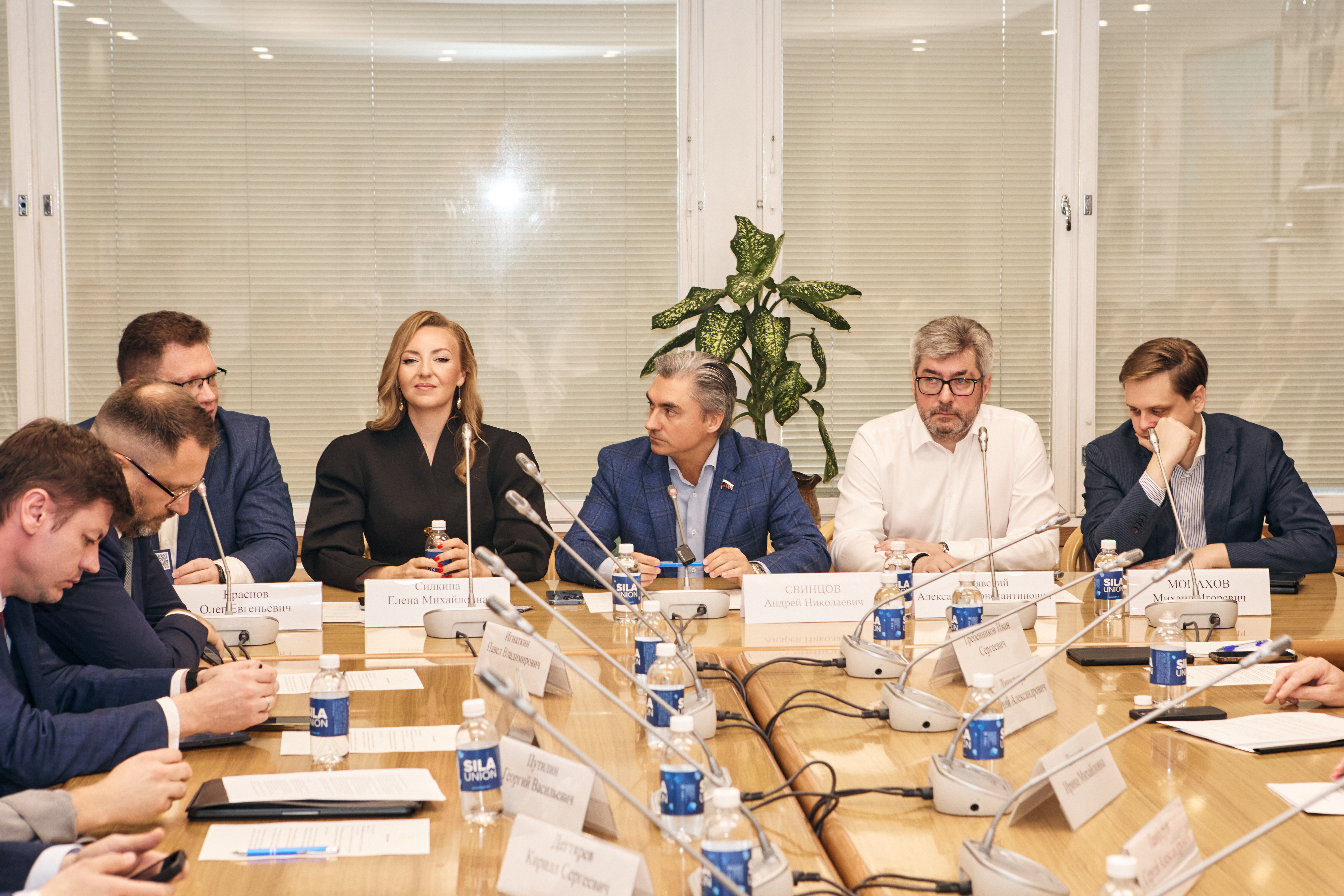
Consolidation of efforts is a step towards technological sovereignty
In the field of import substitution of IT systems for large and medium-sized businesses, as well as the public sector, the key tasks remain the introduction of domestic software, ensuring compatibility of solutions and staff training. The experience of companies such as SILA Union, Cherkizovo Group, Rosatom and Novatek shows that successful implementation requires pilot projects, standardization of processes, customer–integrator–vendor interaction and gradual replication of solutions. Important aspects are: cost of ownership assessment, quality control of implementation and training of qualified specialists through internal and university programs.
The round table in the State Duma confirmed that the development of digital infrastructure requires an integrated approach and constant interaction of all participants in the technological ecosystem. As a result, the experts agreed to continue cooperation and identify priority areas of work in terms of standardization, regulatory regulation and practical implementation of domestic technologies.
Such cooperation is designed to accelerate digital transformation, minimize risks, increase infrastructure sustainability, gradually increase the share of domestic software and strengthen the country's technological independence based on strong IT solutions such as SILA Union.